
Dent Repair in Blackburn
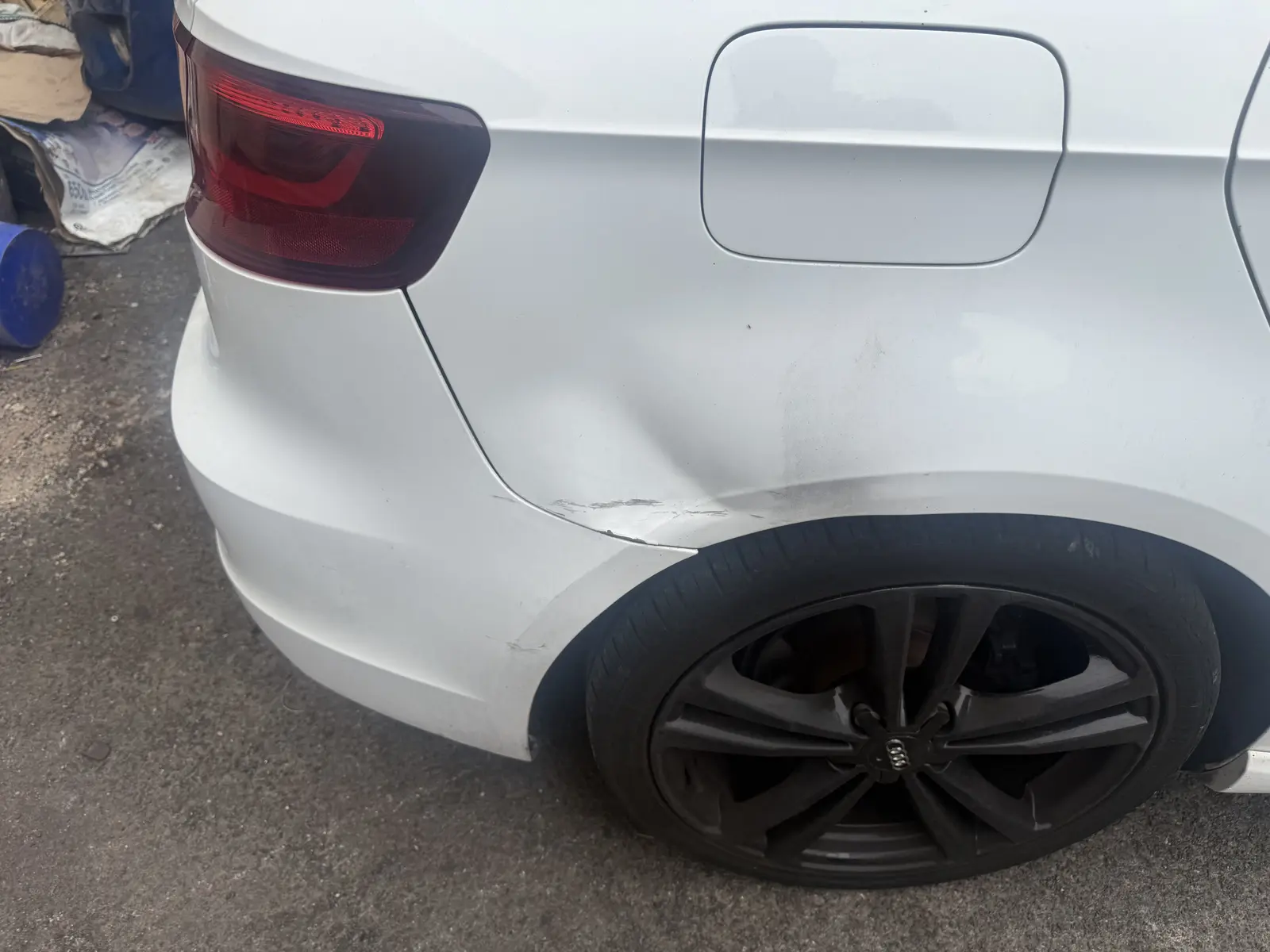
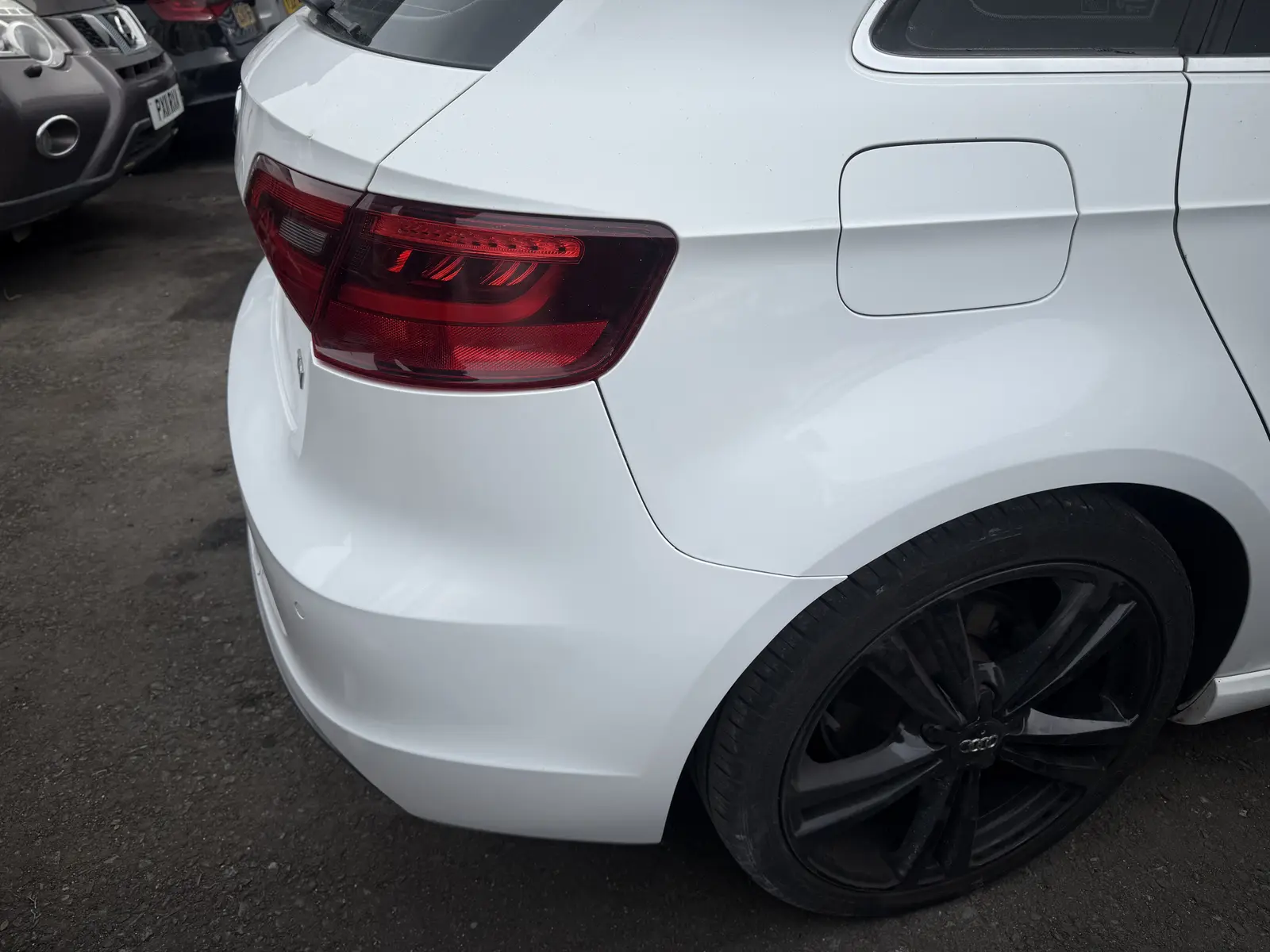
Dents range from small car park dings to deeper creases from low-speed impacts — and the right repair method depends on the specific damage. At Ewood Pitstop LTD, we assess from photos first, so you get an accurate quote and a clear explanation of the best approach before you commit to anything.
Dent repair is part of our wider bodywork and paint services in Blackburn. For detailed advice on what dent repair involves, read our dent repair guide.
PDR vs traditional dent repair — what's the difference?
There are two main approaches to dent repair. The right one depends on whether the paint is intact, how deep the dent is, and where it sits on the panel.
Paintless Dent Repair (PDR)
PDR uses specialist tools to massage the metal back to its original shape from behind the panel, leaving the original paint completely intact. It's the preferred method for shallow dents with no paint damage — typically car park dings, hail damage or small impacts on flat panel areas. Faster, cheaper and leaves no trace of the repair.
Traditional Repair & Repaint
Where the dent has creased the metal, sits on a panel edge or has broken the paint, a traditional repair is required. This involves filling, shaping and repainting the affected area with professionally matched paint. The result is a seamless finish — paint is blended into the surrounding panels to ensure an invisible repair.
We'll advise which method is appropriate for your specific damage once we've reviewed your photos. In some cases both methods are used — PDR on accessible areas, traditional repair where needed.
What affects the cost of dent repair?
No two dents are the same. The quote we provide is based on a proper assessment of your photos — not a vague estimate. These are the factors that influence the price:
Size and depth
Shallow dings are cheaper to repair than deep creases. Larger dents take more time and materials.
Panel location
Flat panels are easier to work on than curved edges, door creases or areas near seams.
Paint condition
Intact paint allows for PDR. Cracked or chipped paint requires traditional repair and colour matching.
Accessibility
Some panels are easy to access from behind. Others require partial disassembly to reach properly.
Number of dents
Multiple dents in the same area can sometimes be repaired together at a better overall rate.
Vehicle colour
Metallic, pearlescent or two-stage paints require more precise matching and blending than standard colours.
The fastest way to get an accurate quote is to upload 3–6 photos showing the dent from different angles. Include one close-up and one wider shot showing the panel context.
How to get a dent repair quote
We use a photo-based quoting system so you get an accurate price without needing to drive to us first. Here's how it works:
Take 3–6 photos
Close-up of the damage plus wider shots showing where it sits on the panel. Good lighting helps.
Upload & describe
Use our online booking tool to upload your photos and describe the damage. Include your vehicle registration.
We confirm and quote
We review and come back with the repair method, cost and expected turnaround time — usually same day.
Dent Repair FAQs
Related bodywork services
Get Your Dent Repair Quote
Upload photos and we'll come back with method, cost and turnaround.
Serving Blackburn and surrounding areas · View all areas